Source vintage black hydroponic flower vase for Home, Desktop, and Gift Uses
Find and compare 30 listings for a vintage black hydroponic flower vase suitable for home decor, desktop accents, and gift items. Options include glass and ceramic materials with custom logo and color services available from Zhejiang suppliers.
Key considerations
Products List


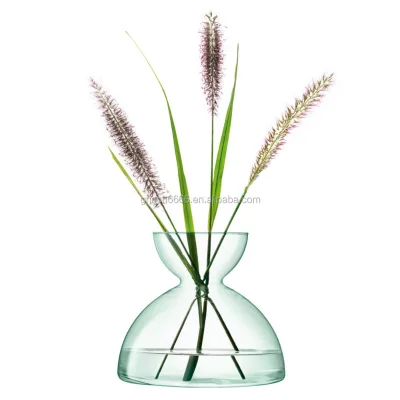


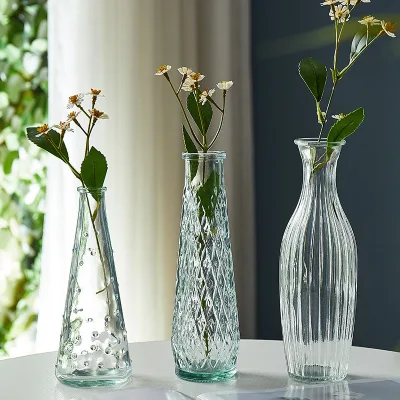


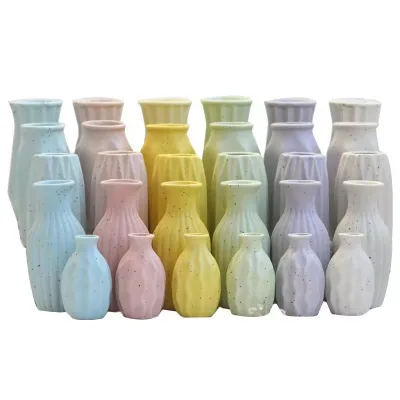


Comprehensive Sourcing Guide
Vintage Black Hydroponic Flower Vase Sourcing Guide
Sourcing vintage-style black hydroponic flower vases requires a nuanced understanding of material properties, aesthetic consistency, and functional design. While the term "vintage" often implies aged or antique characteristics, modern manufacturing typically achieves this look through specific glazing techniques, matte finishes, or textured glass treatments rather than actual historical reproduction. Buyers must distinguish between true antique pieces and contemporary items designed to evoke a retro aesthetic, as this distinction significantly impacts pricing, durability, and supply chain logistics. The black coloration, in particular, presents unique challenges regarding color consistency and light transmission, which are critical for hydroponic applications where root health and algae growth are concerns.
The procurement landscape for these items is diverse, ranging from mass-produced glass vessels to custom-ceramic options. Observations from current market listings indicate a wide variance in material composition, with glass and ceramic being the primary contenders. Glass options often feature transparent or color-glazed finishes, while ceramic pieces may offer more robust structural integrity and varied surface textures. Understanding these material differences is essential for aligning product selection with specific brand identities and functional requirements, such as visibility of water levels or root systems.
Product Scope and Observed Listing Signals
The current market for vintage black hydroponic vases exhibits a broad spectrum of product attributes, with observed price points ranging from $0.10 to $6.89 USD. This wide range suggests significant variation in quality, material thickness, and manufacturing complexity. Lower-priced items may utilize thinner glass or simpler ceramic molds, while higher-priced options likely incorporate more intricate designs, superior glazing, or custom packaging solutions. Buyers should interpret these price signals as indicators of potential trade-offs between cost efficiency and premium aesthetic or functional features, rather than as a direct correlation to vintage authenticity.
Minimum Order Quantities (MOQs) observed in the market span from 5 to 5,000 pieces, reflecting the flexibility of suppliers to accommodate both small boutique orders and large-scale retail distributions. Some suppliers offer low MOQs of 100 pieces, which is advantageous for testing market response or fulfilling small-scale custom orders, while others require volumes of 1,000 or more to achieve optimal production efficiency. This variability allows buyers to tailor their procurement strategy based on inventory turnover rates and cash flow constraints, ensuring that they do not overcommit to stock that may not align with immediate sales demand.
Technical Specifications to Verify
Verifying technical specifications is crucial for ensuring that the vintage black hydroponic vases meet functional and aesthetic expectations. Key dimensions observed in the market include sizes such as 5x5x12 inches, 15x22cm, and 17x20cm, among others. Buyers must confirm that the internal diameter and height are suitable for the intended plant species and hydroponic setup, as improper sizing can lead to instability or inadequate root support. Additionally, the caliber and neck width are important factors, as they affect the ease of plant insertion and maintenance, particularly for hydroponic systems that require regular water changes and nutrient adjustments.
Material properties, such as glaze type and processing methods, also play a significant role in the product's performance and appearance. For glass vases, the glaze type—whether transparent or color-glazed—determines light penetration and visual appeal, while the blowing process influences the vessel's shape and structural integrity. Ceramic options may offer a more matte or textured finish, which can enhance the vintage aesthetic but may also affect cleaning and maintenance routines. Buyers should request detailed specifications regarding material thickness, heat resistance, and chemical stability to ensure that the vases can withstand the hydroponic environment without degrading or leaching harmful substances.
Compliance and Safety Documentation
Compliance and safety documentation are essential for ensuring that vintage black hydroponic vases meet regulatory standards and do not pose risks to users or plants. Buyers should verify that the materials used, particularly the glazes and coatings, are food-safe and non-toxic, as these products will be in direct contact with water and plant roots. Certifications related to material safety, such as FDA compliance for food-contact surfaces or equivalent standards in other regions, should be requested and validated. This is especially important for ceramic vases, where lead or cadmium in glazes can be a concern if not properly manufactured.
Additionally, buyers should ensure that the products comply with relevant packaging and labeling regulations, particularly if they are intended for international distribution. The observed packaging methods, such as bubble bags and brown paper boxes, or customized packaging solutions, should be evaluated for their ability to protect the vases during transit and their alignment with sustainability goals. Documentation regarding the origin of materials and manufacturing processes can also provide insights into the ethical and environmental impact of the supply chain, which is increasingly important to modern consumers.
Cost Drivers and Commercial Terms
Cost drivers for vintage black hydroponic vases include material costs, manufacturing complexity, customization options, and packaging requirements. Customization, such as adding a logo or specific color variations, can significantly impact the unit price and lead time. Buyers should negotiate clear terms regarding the cost of samples, which typically range from 5 to 15 days for production, and the associated fees, which may be credited against bulk orders. Understanding these cost components allows for more accurate budgeting and pricing strategies, ensuring that the final product remains competitive in the target market.
Commercial terms, including payment methods, shipping arrangements, and warranty policies, should be carefully negotiated to mitigate risks and ensure smooth transactions. Buyers should clarify the responsibilities for shipping costs, insurance, and customs duties, particularly for international orders. Additionally, establishing clear quality assurance protocols and return policies for defective items can protect against financial losses and maintain customer satisfaction. Flexibility in these terms can also facilitate long-term partnerships with suppliers, leading to better pricing and service over time.
Supplier Qualification and Quality Control
Supplier qualification is a critical step in ensuring the reliability and consistency of vintage black hydroponic vases. Buyers should conduct thorough due diligence on potential suppliers, including verifying their business licenses, production capabilities, and past performance. Site visits or third-party audits can provide valuable insights into the supplier's manufacturing processes, quality control measures, and ethical practices. Suppliers with a proven track record in producing similar products, particularly those with experience in glass or ceramic manufacturing, are likely to offer higher quality and more consistent results.
Quality control measures should be established at various stages of production, from raw material inspection to final product testing. Buyers should define clear acceptance criteria for aesthetic features, such as color consistency and surface finish, as well as functional attributes, such as structural integrity and leak-proofness. Implementing a robust inspection protocol, including pre-shipment inspections, can help identify and rectify defects before the products are dispatched. Regular communication with suppliers regarding quality feedback and continuous improvement initiatives can further enhance the overall product quality and supplier relationship.
Long-Term Procurement Checks
Long-term procurement checks involve monitoring supplier performance, market trends, and product lifecycle to ensure sustained value and competitiveness. Buyers should establish key performance indicators (KPIs) for suppliers, such as on-time delivery rates, defect rates, and responsiveness to issues, and review these metrics regularly. This data-driven approach allows for proactive management of supplier relationships and identification of areas for improvement. Additionally, staying informed about emerging trends in hydroponic gardening and interior design can help buyers anticipate changes in customer preferences and adjust their product offerings accordingly.
Product lifecycle management is also essential for maintaining a competitive edge in the vintage black hydroponic vase market. Buyers should evaluate the durability and longevity of the products, considering factors such as resistance to cracking, fading, and chemical degradation. Feedback from end-users can provide valuable insights into the practical performance of the vases and highlight any potential improvements. By continuously refining product specifications and supplier partnerships, buyers can ensure that their vintage black hydroponic vases remain relevant and desirable in the evolving market landscape.
FAQs
Can I get a customized logo on the vintage black hydroponic flower vase?
Yes, customized logos are available for this product. The customization feature allows buyers to add specific branding to the glass or ceramic vases. This service supports both decorative and gift usage scenarios for home environments.
What is the minimum order quantity for these glass vases?
The minimum order quantity is 100 pieces for standard orders. Some specific models may require 1000 pieces depending on the supplier configuration. Buyers should verify the exact MOQ for their selected model number before placing an order.
How long does it take to receive a sample of the vase?
Sample time ranges from 5 to 15 days depending on the specific product model. Some suppliers offer a faster turnaround of 5 to 7 days, while others may require up to 15 days. This period covers production and initial packaging preparation.
Which materials are used to make these hydroponic flower vases?
These vases are primarily made from glass with transparent or color glazed finishes. Some variations may also feature ceramic materials in brown or beige tones. The processing method often involves blowing techniques to achieve the desired shape.
What packaging options are available for shipping these vases?
Standard packaging includes bubble bags combined with brown paper boxes. Customized packaging options are also available to meet specific buyer requirements. All items are typically packed in cartons for safe transport during shipping.
Can I find vases with specific dimensions like 15x40cm height?
Yes, specific dimensions such as 15x40cm height are available for certain models. Other standard sizes include 15x22cm and 17x20cm heights. Buyers can select from small, medium, or large sizes based on their hydroponic planter needs.
Where are these vintage black hydroponic flower vases manufactured?
These products originate from Zhejiang, China. The manufacturing location ensures access to established glass and ceramic production facilities. Buyers can expect consistent quality standards aligned with the regional manufacturing capabilities.